Introduction
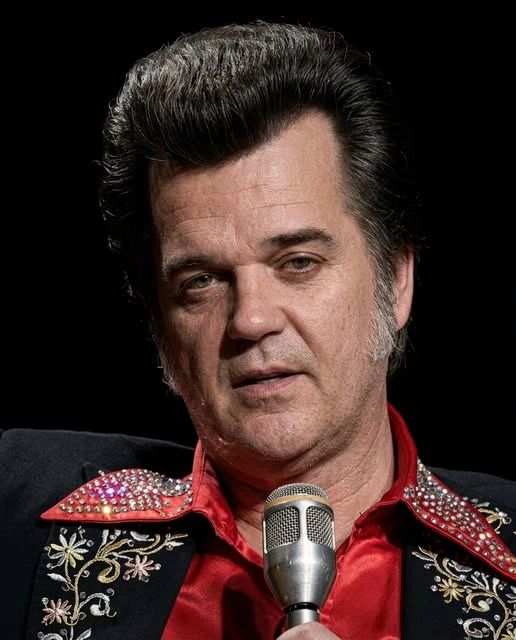
There are rare moments in country music when a single song does more than top the charts. It changes how we think about the singer behind it. Few stories illustrate that more clearly than the unexpected path of CONWAY TWITTY and the song You’ve Never Been This Far Before.
When Twitty first heard the tune, he did not react with enthusiasm. Instead he hesitated. The song did not lack quality. It simply demanded an openness in performance that felt unfamiliar to him. For years he had been known for precise delivery and a measured vocal style. His stage presence conveyed control and steadiness. He understood his artistic identity and what his fans expected from him.
The material required something different. A gentler approach. A willingness to expose emotion. A style that relied less on craft and more on feeling. For an artist who had built his career on control, that shift was difficult to embrace. His response was not dismissal. It was plainly honest uncertainty.
I don’t know if this one’s me
That moment of doubt proved pivotal. There were no big promises when he entered the studio. No assurance that the record would strike a chord. Yet as the session progressed something changed. The rigid edges of his delivery eased. The result was not flawless technique. It was a rawer kind of truth.
When the record came out in 1973 it did more than move up the charts. It prompted conversation. Some listeners were drawn to the intimacy of the performance. Others were surprised at how far Twitty had stepped from his familiar territory. The song did not blend into the background. It made people stop and really listen.
What unsettled him became the very quality that gave the song staying power. It exposed a sincere side of the artist that could not be manufactured. In a genre that values stories, that kind of honesty carries a weight no formula can produce.
The story of CONWAY TWITTY and You’ve Never Been This Far Before is more than a headline. It serves as a reminder that the pieces which challenge an artist often reach listeners the deepest. Not because they are perfect. Because they are brave enough to be genuine.
That is why the song has endured. It is not remembered as a flawless performance. It lives on as a moment when authenticity eclipsed polish and made a lasting impression.