Introduction
When Conway Twitty suddenly collapsed aboard his tour bus in 1993, the headlines fixated on one striking statistic. He had amassed 55 No.1 hits and had secured a place among the most successful artists in country music history. Those numbers painted the public picture. They did not reveal how he had assembled that success over many years by guiding much of his career with his own hands and funds.
Behind the scenes he treated his work like a personal enterprise. Major expenses for touring, studio sessions, and business projects often came from his own pockets. That approach gave him artistic control and freedom, but it also entwined the financial health of his career with his personal fortunes.
Expenses such as tour buses, payroll for musicians, recording fees, and side ventures tied to his name were not always supported by large companies. Many of these costs were managed directly through his investments. His preference for control created independence, but it also meant that the business side of his life rested largely on him.
When his life ended so abruptly, the financial and contractual obligations he had kept afloat did not vanish with him. They remained active and needed attention.
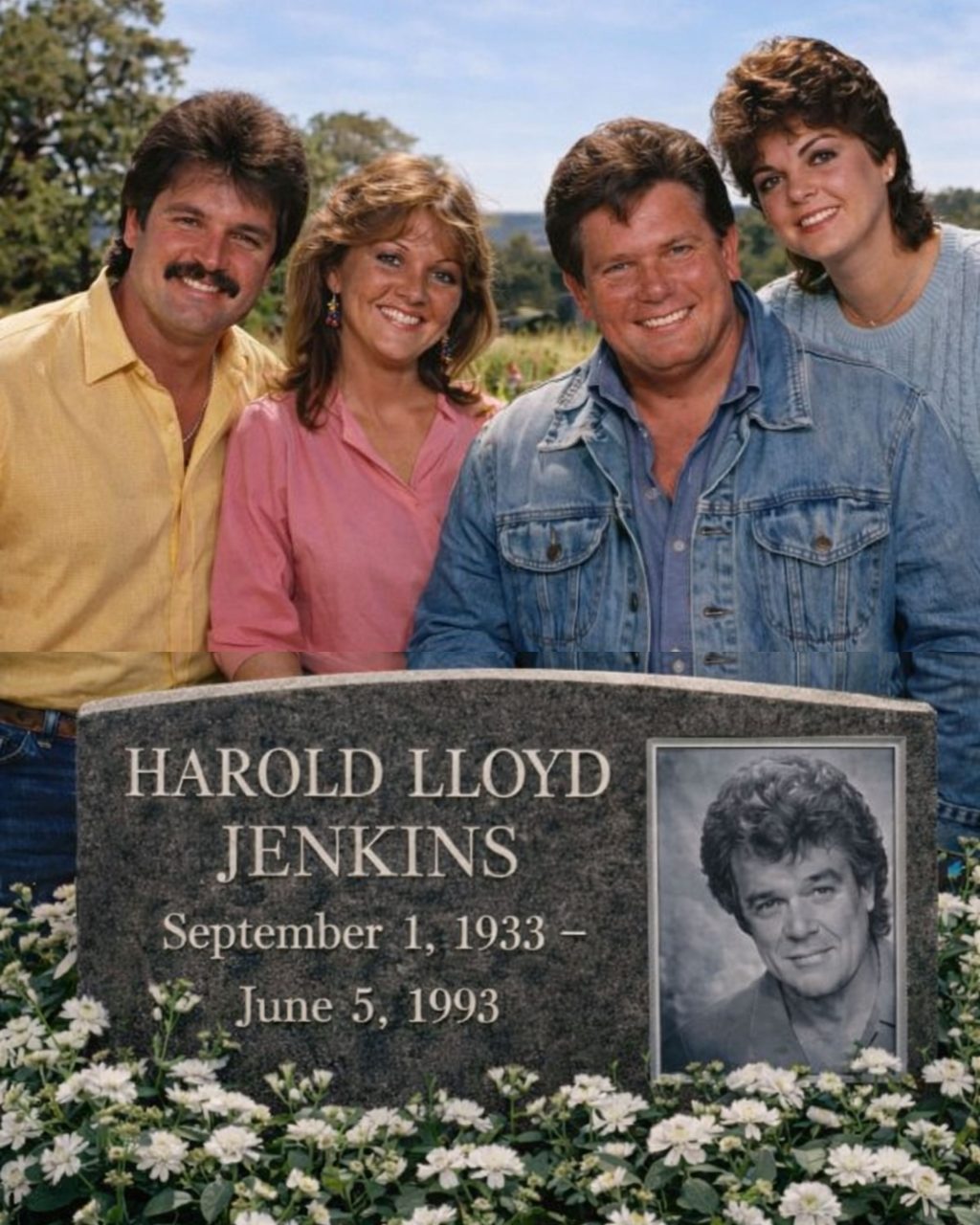
In the months that followed his death, his children faced the daunting task of untangling a web of agreements, commitments, and ongoing business matters. What fans recognized as a legendary catalog of songs was also bound up in complex deals and investments that required careful handling.
That reality is hardly visible to most people outside the industry. The work of sorting estate matters, negotiating rights, and meeting outstanding obligations is usually hidden from public view.
Perhaps the most striking part of the story is how quietly his family carried that weight. They seldom made public complaints about the strain or the complications that followed. Friends and associates later explained that they understood why he had taken on those responsibilities. Conway Twitty had been driven by a commitment to provide for those around him through sheer effort and persistence.
The same single minded drive that propelled his rise also left a complicated legacy to manage. The success that had been built through tenacity and personal investment created obligations that extended beyond his lifetime.
In the end his family did more than wind down contracts. They safeguarded the music and the image he had spent decades shaping. His songs stayed in rotation on the radio. His recordings continued to find new listeners. The legacy of his chart topping achievements remained intact thanks to their stewardship.
What the family inherited was never only a collection of hit records. It was a responsibility to preserve the life and work behind those songs for future generations.