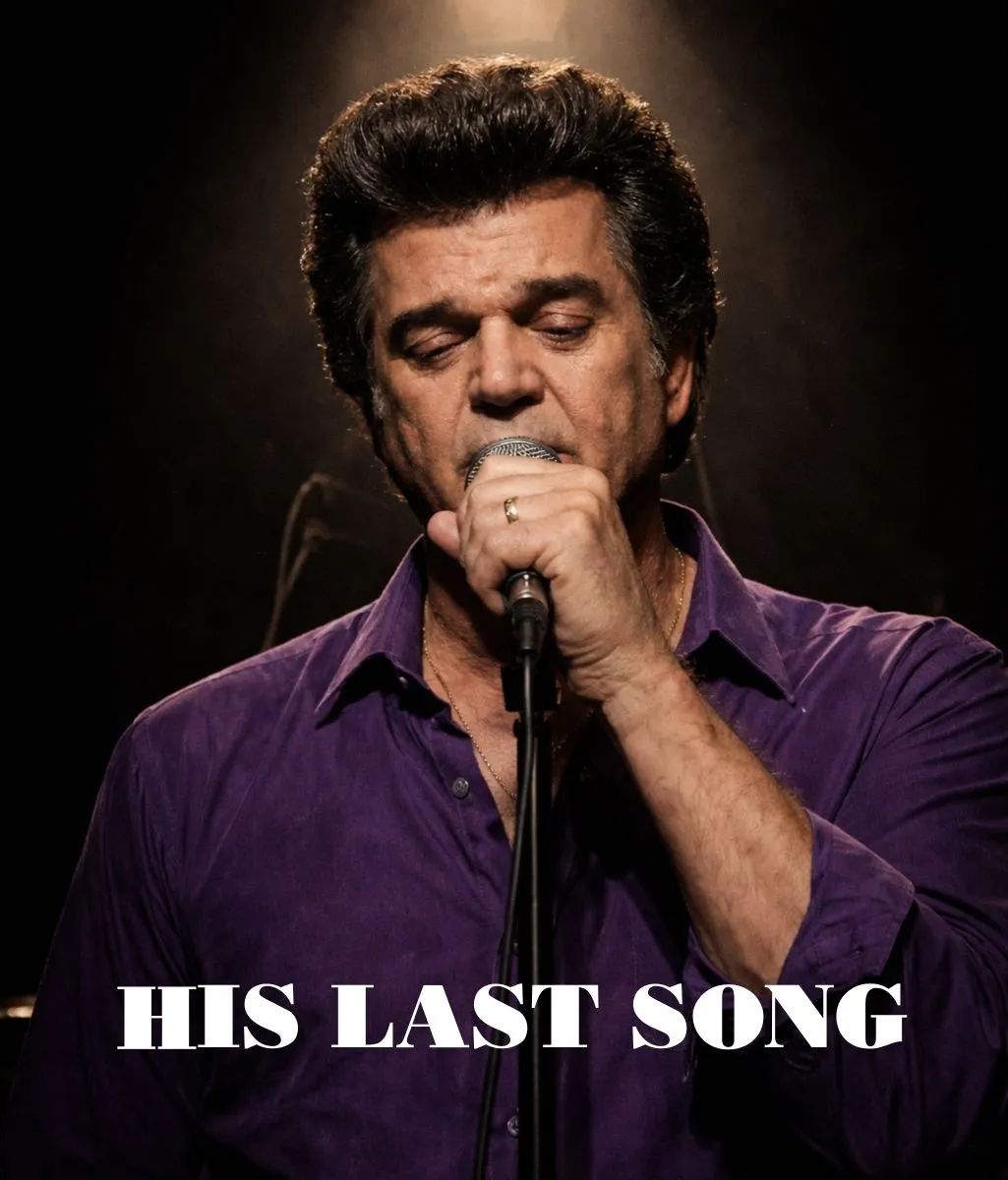
Introduction
In the long story of country music, few performers reached into the heart like Conway Twitty. For many years his songs were more than radio hits. They became the soundtrack of everyday life, playing softly in kitchens, filling pickup trucks on quiet back roads, and joining people as they remembered milestones and small moments alike.
With a career that produced 55 number one records, Conway Twitty did more than rack up chart success. He helped define an era. His singing spoke plainly to feelings of love, loyalty, regret, and reflection. That gift for turning private emotions into shared stories is why he remains one of country music’s most admired figures.
Among the countless concerts he gave across the country, one night in Nashville stands out to those who were present.
The setting was the famed Grand Ole Opry House, often regarded as the heart of country music. The house was nearly full with about 4,400 people. Many in the crowd had followed his career from the beginning. Some first heard his music on small AM radios in the 1960s. Others had seen him perform time and again over the years.
When Conway Twitty stepped onto the Opry stage he received the warm reception he always earned. He stood beneath the lights with the steady assurance of an artist used to connecting with audiences.
Still, a number of longtime fans later noted a subtle difference that night.
His expression carried a quiet thoughtfulness. It was not sorrow but something more reflective. Perhaps it was the accumulation of years on the road. Perhaps it was the calm that comes with a life of experience.
Audience members anticipated the familiar hits that had defined his legacy. Songs such as “Hello Darlin” and “Tight Fittin Jeans” were known to bring the house to life.
Instead, he chose a different path.
He opened with a slow, contemplative ballad that he seldom included in large shows. The arrangement favored feeling over fireworks and asked listeners to listen closely.
The first notes spread through the Opry and something remarkable occurred.
The room fell into complete silence.
It was not the brief hush that sometimes marks a pause in a show. It was a deep stillness. From the front row to the balcony thousands of people listened with quiet attention as if they sensed that the moment carried special meaning.
There were no shouts between verses. There were no interruptions.
Only the familiar, earnest voice of Conway Twitty filled the auditorium with sincerity.
As the song unfolded, many in the audience felt moved in a way that was hard to name. It did not resemble an ordinary performance. It felt like a private message made public through music.
Some bowed their heads. Others wiped away unexpected tears.
When he reached the closing lines his voice trembled slightly. It was not a sign of weakness but of deep feeling. It sounded like the voice of someone who had spent a lifetime telling stories.
The final note faded away.
For several long beats the Grand Ole Opry House remained motionless and silent.
Attendees later described the scene as one of the most powerful experiences they had in Nashville. The crowd sat still as though they needed time to take in what had happened.
Then the applause began.
It rose slowly and carried a different tone than the usual concert roar. The clapping was full of appreciation and quiet reflection. Many stood as they honored the moment. Some continued to brush away tears while they applauded.
Only a few months later, in June 1993, Conway Twitty died at the age of 59.
Those who had been in that audience came to understand something profound.
They had been present for one of the last times he performed that intimate song on a public stage.
To this day fans recall that evening one word at a time. They remember the hush, the feeling it carried, and the sense that they had witnessed something timeless.
Sometimes a single performance becomes more than a concert.
On that memorable night in Nashville Conway Twitty showed why his music would remain in people’s lives long after the final note was gone.